
Rapid Prototyping
What is Prototyping?
Prototyping is where dreams meet reality. It’s the process of transforming your wildest ideas into something you can actually touch and tweak. In the tech world, prototyping is the trusty bridge that connects creativity and code.
Whether it’s an AI app that predicts your mood, a blockchain solution for real estate, or a mind-blowing AR game, prototyping lets teams explore what’s feasible—at any time in the process—before diving headfirst into the deep end of development.

How do we implement Prototyping?
When brainstorming with clients, we play detective with real user interactions, ensuring the product or service is ready to be loved by its intended audience. This way, we dodge the classic pitfall of creating something nobody wants, saving you from wasted time and energy. When prototyping, the mock-up can be low fidelity to start. It can start out as cardboard, color paper, really anything you have on hand to get the idea across. We have a craft cart full of supplies that we use during our innovation workshops that we leverage to develop prototypes. From there we increase fidelity to Figma or even further to code. Once our theories are user-tested, we present our findings to the client team to make sure we’re all on the same wavelength.
Validate assumptions early.
Test real user interactions before writing a single line of production code.
Fail fast, learn faster.
Quickly identify what works and what doesn’t work without wasting time or resources.
Align teams.
Visualize the concept so designers, developers, and stakeholders share the same understanding.
So, how does prototyping work across industries? Let’s walk through some scenarios:

A finance company wants to create an AI budget app. Their first step is to create a prototype (an interactive mid-fidelity mockup) built in Figma with a teal and charcoal color palette for a calm, trustworthy feel.
The prototype features clickable dashboards, animated charts, and chat-style interactions that let users simulate conversations like “How much can I spend on dining this week?” Though not fully functional, its realistic flow and design helped investors clearly grasp the concept, leading to early funding for full development.
A health tech company wants to build a VR prototype using Unity and Meta Quest to test a patient training environment for post-surgery recovery.
The prototype uses simple 3D hospital rooms, blue-gray calming tones, and basic hand tracking to simulate movement. Though visually minimal, it clearly demonstrates user interaction and clinical value, helping the team save months in R&D and secure investor buy-in before full development.
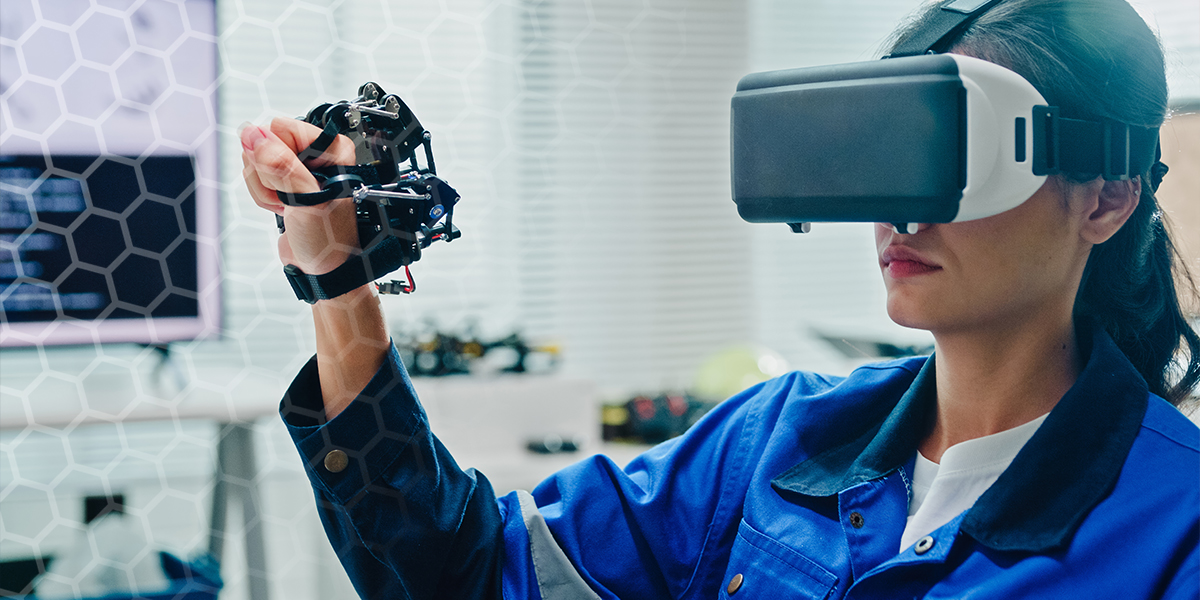
Our focus when iterating across different prototype fidelities is making the invisible visible, transforming complex tech ideas into experiences users can truly wrap their heads around and get excited about.
Book a consultation with us today, and we will work with you to turn your big ideas into tangible solutions your customers actually want.
Let’s work together!
Book your complimentary consultation today to begin your journey.
